Background
The client’s vision is to be a leading research-intensive university in Africa, recognised internationally for its quality, relevance, and impact, as well as for developing people, creating knowledge, and making a difference locally and globally. It has 5,400 staff members and 50,000+ student population across all faculties and campuses
Institutional Challenge
To assess the institutional culture and subcultures at the client, including alignment with strategic goals, cultural inclusiveness, impact of transformation initiatives, and the influence of COVID-19-related changes. The survey also evaluated changes since the 2010 baseline and measured how the culture was experienced by biographical groups.
Laetoli’s Approach
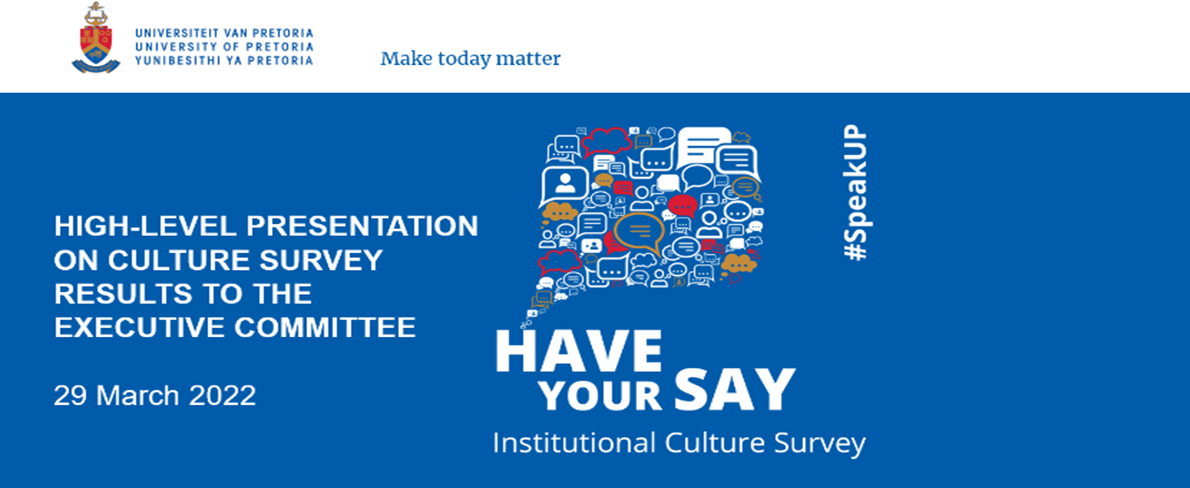
- Conducted stakeholder interviews and focus groups to inform design
- Designed two bespoke survey instruments (staff and student), co-created with internal subject matter experts
- Surveys were offered online and on paper, and in three languages (English, Sepedi, Afrikaans)
- Robust validation for scientific reliability and contextual appropriateness
- Extensive stakeholder feedback through presentations to governance and academic structures
Key Deliverables
- Communication strategy to increase survey participation
- Two scientifically valid and reliable culture surveys (staff and student), including approx. 60–80 scale-based questions and 4 open-ended items
- Multi-language programming for surveys
- Comprehensive institutional reports in MS Word and PowerPoint
- 20 summary PowerPoint reports for faculties and professional departments
- 120 annexures with detailed biographical group breakdowns
- Feedback sessions for Steering Committee, Reference Group, Council, organised labour, student leaders, and academic faculties
Outcomes & Successes
- Quantifiable cultural shifts over a 10-year period
- Insight into alignment between institutional values and culture
- High stakeholder engagement and trust in the data
- Data-informed support for strategy implementation
Lessons Learned
- Repeated surveys anchored in an established baseline provide critical insight into cultural evolution
- Biographical disaggregation (race, gender, age, language, etc.) enhances inclusivity and strategic focus
- Multi-lingual, multi-modal administration (online and paper) increases accessibility and validity
The Vice-Principal confirmed that Laetoli met the university’s scientific and contextual standards. The results informed strategic transformation and highlighted both strengths and areas for cultural growth.